
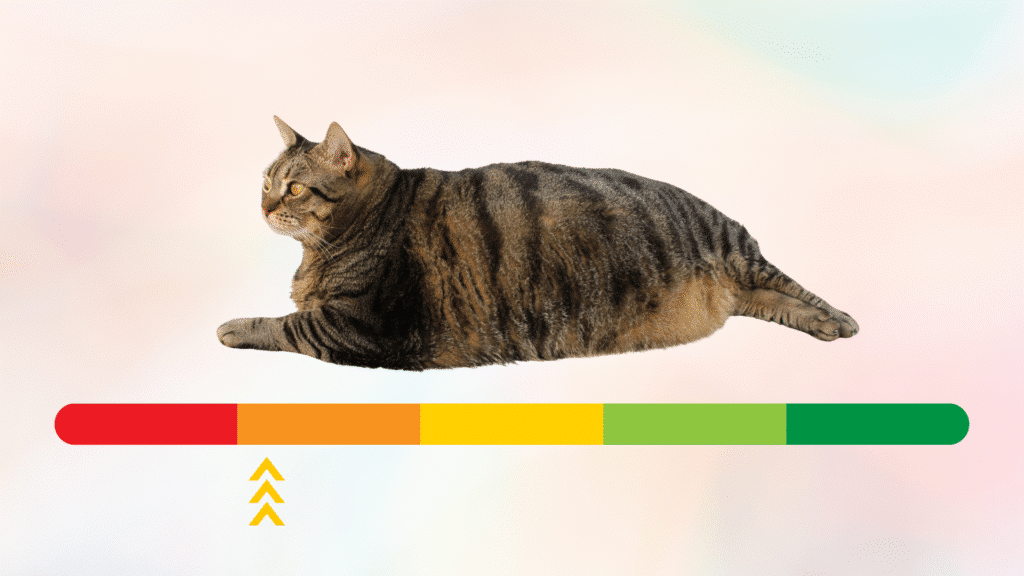
Have you noticed your cat’s belly becoming rounder or their usual bursts of energy becoming less frequent? Perhaps jumping onto furniture takes more effort, or their favorite toys no longer hold the same appeal.
Gradual weight gain often develops without obvious warning signs. Learn about feline weight gain from Compassion Veterinary Center. Recognizing changes in body shape, activity levels, and eating habits is a valuable step toward protecting your feline companion’s health as a cat owner in Highland, NY.
When Extra Weight Becomes a Health Concern
An extra pound or two might seem insignificant, but excess body fat places considerable strain on a cat’s body. An overweight cat faces increased risks of diabetes, arthritis, and other conditions that affect long-term wellness.
Extra weight places pressure on joints, making climbing, jumping, and grooming more challenging. As movement becomes uncomfortable, some cats spend more time resting and less time engaging in physical activity.
This reduction in movement sometimes contributes to further weight gain. Maintaining a healthy body condition supports mobility, physical comfort, and a better quality of life.
Factors That Contribute to Feline Weight Gain
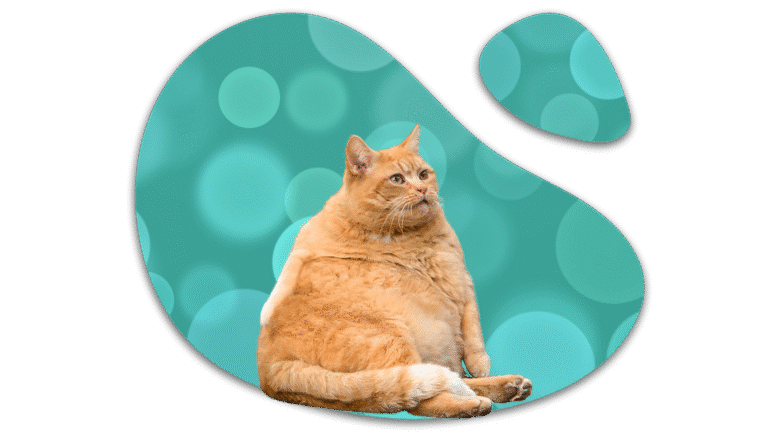
Feline weight gain frequently results from consuming more calories than the body uses throughout the day. Large portions, frequent treats, and unrestricted feeding often contribute to gradual increases in body fat.
Indoor lifestyles with limited opportunities for physical activity present additional challenges. Age-related metabolic changes, certain medications, and underlying medical conditions might influence weight as well.
An overweight cat requires an individualized approach because the underlying reasons for weight gain differ between pets. A veterinary examination with Compassion Veterinary Center offers insight into feeding habits, medical history, and nutritional needs before establishing weight management goals.
What Your Cat’s Body Shape Reveals
Your cat’s appearance provides several clues about their current body condition. When viewed from above, a healthy cat generally displays a noticeable waist behind the ribs.
You should feel the ribs beneath a thin layer of fat without pressing firmly. A rounded abdomen, limited waist definition, or difficulty feeling the ribs might indicate excess body fat.
Reduced stamina, reluctance to jump, and difficulty grooming certain areas deserve attention as well. The Association for Pet Obesity Prevention’s feline body condition scoring chart provides a useful visual reference for evaluating your cat’s physical condition.
A veterinarian offers a more accurate assessment based on your cat’s individual body structure and overall health.
Weight Evaluations with a Veterinarian in Highland
Changes in your cat’s weight deserve a consultation with a veterinarian, particularly when accompanied by differences in appetite, behavior, or activity. Compassion Veterinary Center offers weight management consultations for cat owners.
During a visit, your pet’s veterinarian evaluates body condition, reviews feeding routines, and considers potential medical explanations for weight gain. An overweight cat benefits from a gradual weight management plan tailored to their nutritional requirements.
Sudden food restriction or rapid weight loss poses serious health risks for cats, including potentially dangerous liver complications. Veterinary supervision provides a safer approach to dietary adjustments and ongoing progress monitoring.
Three Healthy Habits Worth Introducing
Small changes to your cat’s daily routine contribute to healthier weight management over time. Consider these three practical strategies:
- Measure food portions carefully. Follow veterinarian-recommended feeding amounts and include treats when tracking daily calorie intake.
- Introduce engaging activities. Encourage movement through interactive toys, food puzzles, and short play sessions suited to your cat’s abilities.
- Avoid restrictive internet diet plans. Discuss nutritional changes with your veterinarian before reducing food quantities or switching diets.
Regular weight checks and observations of appetite, mobility, and behavior provide valuable information during follow-up appointments. Consistency and patience support steady progress.
Feline Weight Management in Highland, NY
If you’re concerned about an overweight cat, Compassion Veterinary Center provides weight management for pets throughout Highland, Kingston, Poughkeepsie, and New Paltz. Ready to address your cat’s weight concerns? Book a visit with Compassion Veterinary Center to discuss your cat’s health.